Why astronomers are natural translators
 Our astronomer offers an apology and an explanation.

Our astronomer offers an apology and an explanation.
 As things go in the universe, the Moon is a small thing, insignificant compared to a distant star. Yet our astronomer found that it can have a definite influence on measures of the latter.
 The photographs that came out of this Kodak Brownie camera from the 1930s may be the best size ever found.
 Our astronomer answers a question of interest to science-fiction writers.
Our astronomer steps out of his area of expertise to comment on biology.
 Why do some things keep on being used when an up-to-date replacement is clearly much better?
 It’s vital not to confuse an illuminating explanation of science with the science itself.
Our consultants encounter a type of writing that seems terribly strange, until they realize what it’s for.
Tomorrow is a lot like today, but not always. Beware the law of unintended consequences.
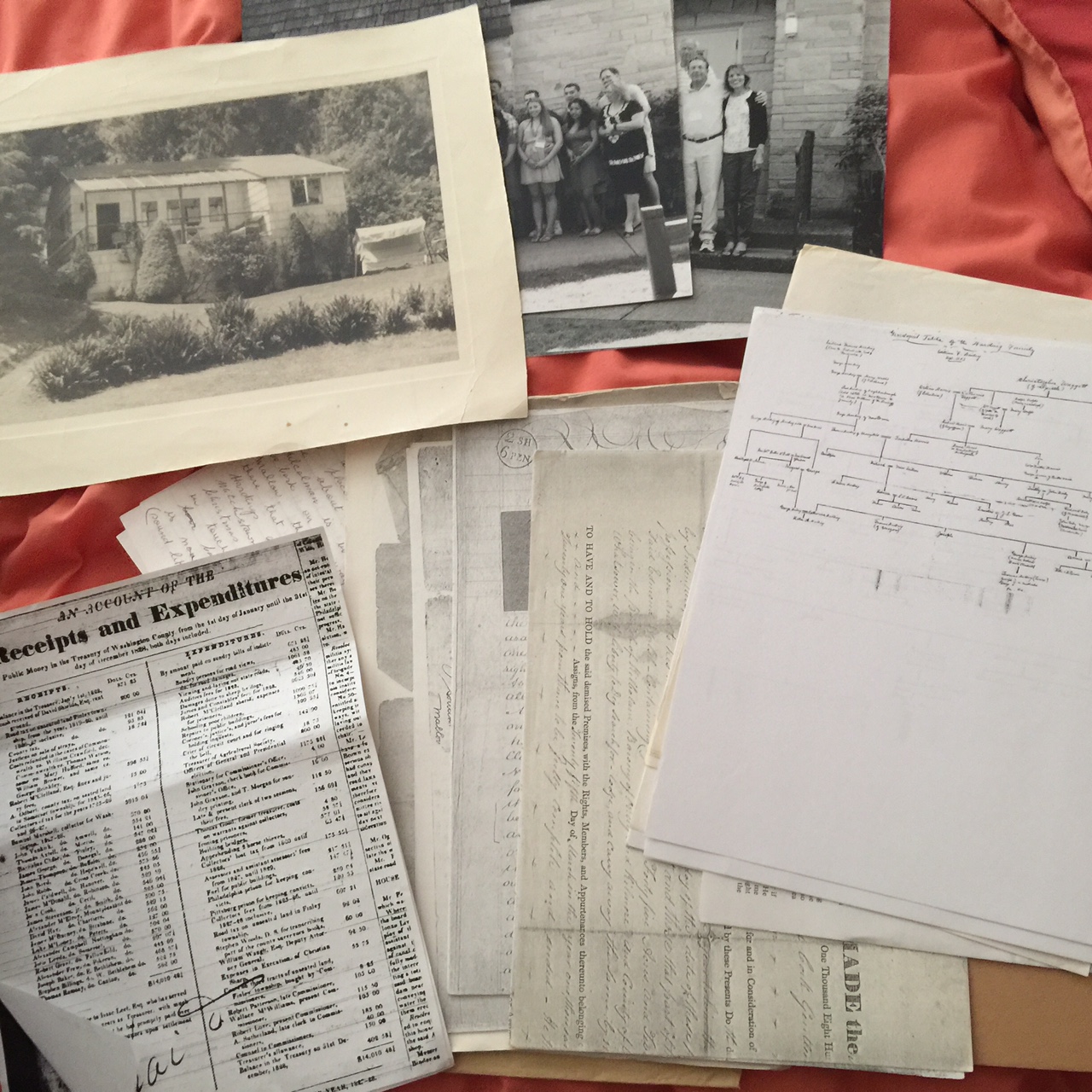 One of our consultants has been working on a genealogical project this past week. It prompts some thoughts on the difference between science and scholarship as well as the longevity of documents.